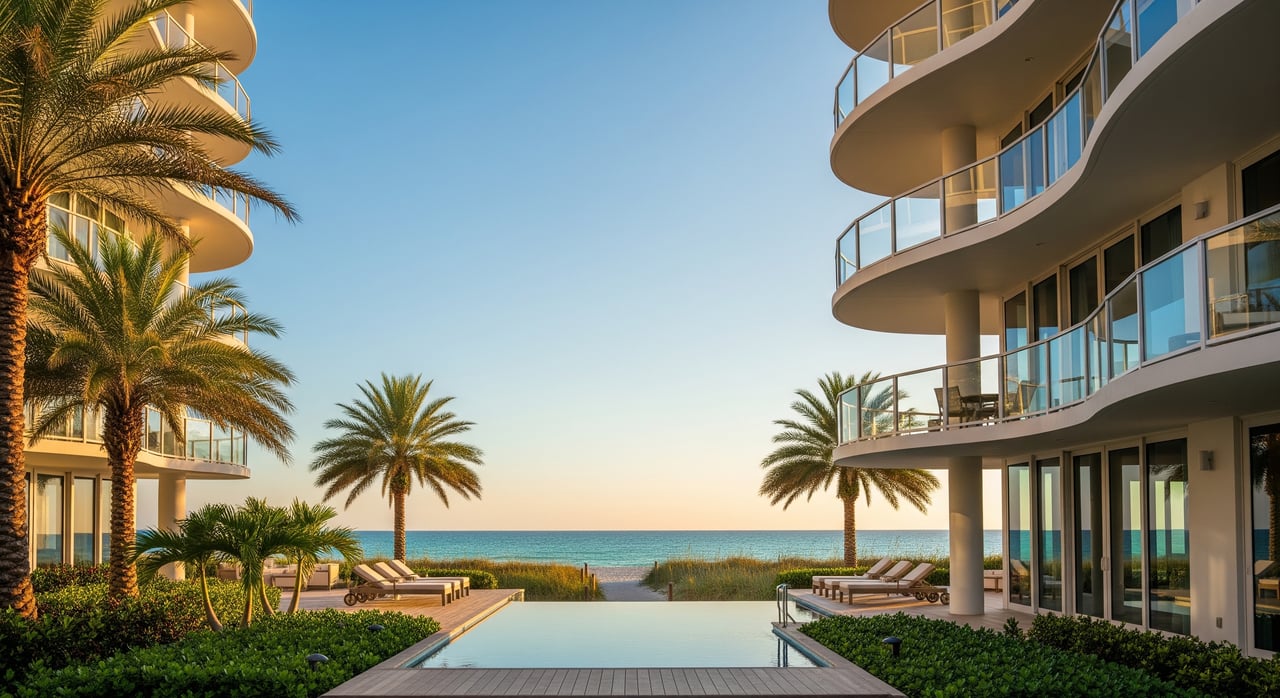
Trying to decide between Aruba, Bequia, Caribe, Montego, or Nevis at Cove Towers? You are not alone. Each building offers a different mix of views, floor plans, rules, and lifestyle tradeoffs, which can feel overwhelming if you are buying a second home or planning a seasonal escape. In this guide, you will get a clear, step-by-step way to compare the five buildings so you can match your priorities to the right fit and move forward with confidence. Let’s dive in.
Start with your lifestyle priorities
Before you look at specific stacks or floors, clarify what matters most. A simple ranking helps you weigh tradeoffs later.
- Gulf or preserve views and sunset exposure
- Quiet setting or close-to-the-action social spaces
- Rental flexibility vs. owner-use focus
- Pet policy and practical pet access
- Monthly fees and what they include
- Parking convenience and guest parking
- Storage for beach gear, bikes, or golf clubs
- Storm resilience and hurricane protections
- Floor height, elevator access, and ease of unloading
Write your top five. You will use this list as your decision filter when comparing Aruba, Bequia, Caribe, Montego, and Nevis.
What sets each building apart
All five Cove Towers buildings share a North Naples location and a resort-style vibe, but they differ in ways that can affect your daily life and long-term value. To compare them apples-to-apples, gather the same information for each building.
What to verify for each building:
- Basic facts: year built, major renovation dates, number of floors, unit mix and typical sizes
- Orientation and views: primary facing direction and view types by floor tier
- Amenity proximity and noise: distance to pool, clubhouse, tennis, grills, service areas
- Access and storage: assigned parking type, guest parking, storage cages or lockers, elevator count
- Building condition and finances: reserve study status, recent or pending assessments, insurance claims and litigation if any
- Ownership and rental rules: minimum lease term, frequency limits, short-term policies, pet rules
- Market data and costs: HOA fee range and inclusions, recent sold comps, typical taxes, wind and flood insurance exposure
Use official association documents, county records, and MLS data to confirm details before you rely on them.
Views and orientation
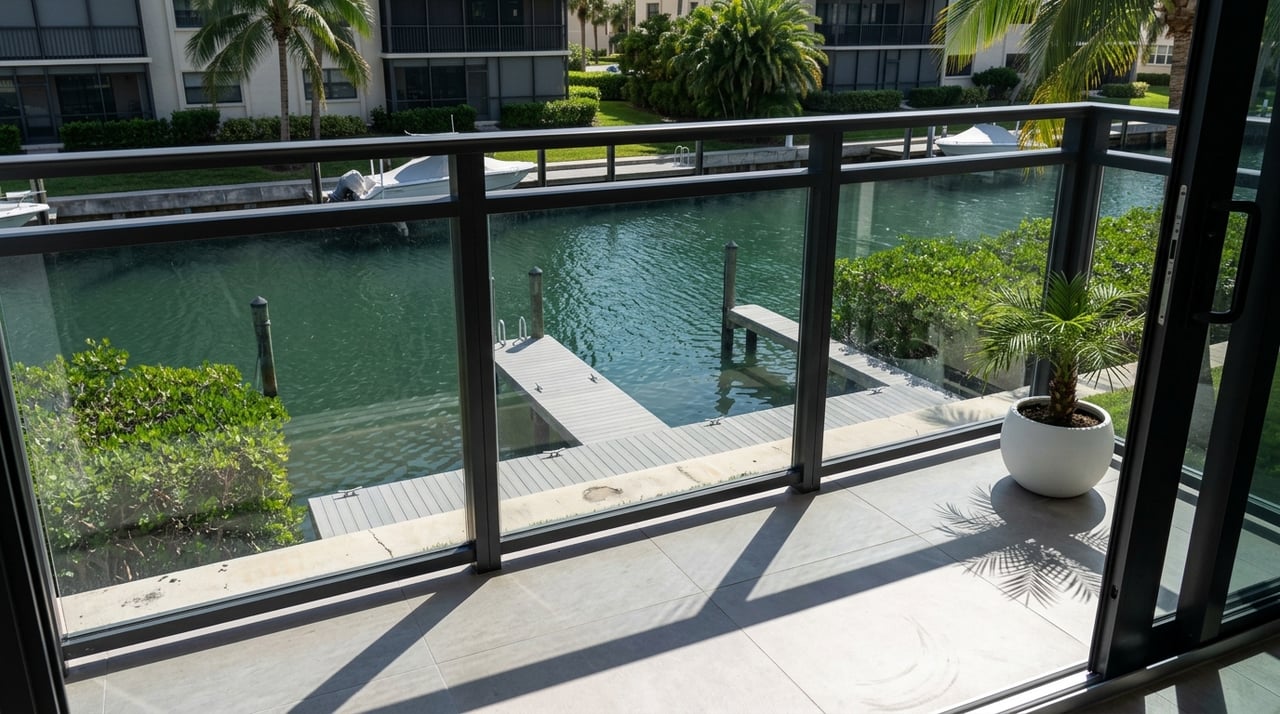
View quality is a major value driver at Cove Towers. The same floor plan can feel completely different depending on the direction it faces and the height of the unit.
- West or southwest-facing units often capture stronger sunset colors and more direct afternoon light.
- Preserve or inland views can be serene and private, but foliage may affect seasonal visibility.
- Street or parking lot exposure can trade some view drama for easier access and shorter walks to amenities.
How to verify:
- Review the site plan and building footprint to understand which stacks face which directions.
- Compare listing photos and videos across multiple floors to see how sightlines change.
- Visit around sunrise and sunset to judge glare, heat, and privacy.
- Ask about planned nearby development that could alter sightlines.
Amenity proximity and noise
Distance to the pool, clubhouse, tennis, and grill areas can shape your daily routine. Closer often means more convenience, but it can also bring more activity.
- If you plan to host often, proximity to guest parking helps.
- If you value quiet, note any adjacent service areas, loading zones, or trash rooms.
- Confirm the path to the beach access points and how long the walk actually takes at a relaxed pace.
How to verify:
- Walk the site at different times of day to gauge activity.
- Note the line-of-sight and sound from balconies and bedrooms.
- Map the quickest route from the lobby to the pool, grills, and parking.
Floor plans and unit mix
Even within the same building, corner stacks, mid-stacks, and higher floors can live very differently.
- Corner stacks often add windows and wraparound balconies that feel more open.
- Mid-stack plans can offer efficient layouts and value at a given floor height.
- Look for storage solutions, laundry placement, and balcony size if you entertain.
How to verify:
- Compare official floor plans by stack and floor.
- Note room sizes, closet space, and any columns that affect furniture placement.
- Ask if balconies are screened, open, or a mix.
Access, parking, storage, elevators
The daily ease factor matters more than you think, especially if you visit seasonally.
- Confirm assigned parking type: covered garage, carport, or open assigned.
- Check guest parking availability for high-season weekends.
- Ask about storage cages or lockers for beach gear, bikes, and luggage.
- Verify elevator count and any history of reliability issues noted in association minutes.
Building condition and finances
In Florida, condominium resales follow state rules that help you access association information before you close. Florida Statutes Chapter 718 outlines governance and disclosure basics, and the Division of Condominiums within the Department of Business and Professional Regulation provides buyer guidance.
Documents to request and review with your advisor:
- Latest budget and reserve study, including percent funded and upcoming projects
- Minutes from the last 12 months of board meetings
- Insurance certificates, deductible details, and any recent claims noted by the association
- Any history of special assessments or planned capital work
- Recorded notices or permits for recent major repairs
Pay close attention to reserves, elevator or roof projects, and any litigation. These items can affect fees, timelines, and resale value.
Rentals, owner use, and pets
Rental rules can vary by building. Some associations focus on owner-occupancy and community stability, while others allow seasonal leases within set limits. Always confirm the current policy within the condominium documents and any association rules.
What to confirm for each building:
- Minimum lease term and number of leases allowed per year
- Any blackout dates or seasonal restrictions
- Short-term rental platform policies, if applicable
- Registration and local tax requirements for transient rentals in Collier County
- Pet rules, including size, number, and breed restrictions
If you plan to rent your unit occasionally or seasonally, align your target building with your intended use before you shop specific units.
Insurance, flood, and hurricane planning
Coastal condominiums involve layered insurance. The association carries a master policy for common elements. You will typically carry an HO-6 policy for your interior. The master policy type and deductible levels can affect your personal coverage and risk.
What to check:
- Master policy type and hurricane deductible percentage
- Your lender’s and insurer’s HO-6 requirements
- Flood zone designation using official FEMA and county maps
- Elevation and dune protections that may influence flood premiums
Insurance costs and coverage terms change over time. Ask questions early so you can budget accurately and avoid surprises.
Cost and value drivers
Monthly HOA or maintenance fees, what they cover, and recent sales trends should be compared building by building.
- Ask for a current fee schedule and a list of inclusions like water, cable, internet, reserves, and exterior insurance.
- Review recent sold comps and days on market for each building to understand pricing and demand.
- Pull typical assessed values and tax ranges from county records for the stacks and floor heights you prefer.
Numbers can shift with capital projects, insurance renewals, and market cycles. Verify all figures within association documents and MLS before you decide.
Floor level strategy
Choosing the right floor is part art and part science.
- Lower floors often mean faster access, less waiting for elevators, and a cooler experience on windy days, but views can be more limited.
- Mid floors can balance sightlines with convenience and may reduce street-level noise.
- Higher floors tend to command a premium for wider views and dramatic sunsets but may mean longer elevator rides and stronger afternoon sun.
Match floor height to your daily routine, mobility needs, and sensitivity to sun and wind.
On-site evaluation game plan
A short, focused visit can answer most open questions.
- Tour at morning and sunset to test glare, heat, and view quality.
- Time the walk from the lobby to the pool, grills, and your car.
- Listen from the balcony and bedrooms for ambient noise.
- Check mobile coverage, elevator wait times, and package delivery access.
- Confirm path lighting, signage, and guest parking during peak hours.
Your Cove Towers decision roadmap
Use this simple process to get from first look to confident choice.
- Define your top five priorities and budget comfort zone.
- Shortlist 2 to 3 buildings that align with your view, activity, and rental needs.
- Gather association documents, fee schedules, and recent sales for each building.
- Compare view orientation and floor-plan options by stack and floor tier.
- Confirm insurance, flood zone, and deductible details that affect cost of ownership.
- Walk the property or schedule virtual showings for shortlisted units.
- Choose the best fit and craft your offer strategy based on real-time comps and association insights.
A quick-fill checklist for each building
Use these prompts to create a side-by-side snapshot for Aruba, Bequia, Caribe, Montego, and Nevis.
- Orientation and typical view tiers by floor: __________
- Distance to pool, clubhouse, beach access path: __________
- Parking type and guest parking availability: __________
- Storage options and cage size/location: __________
- Hurricane protection type for typical units: __________
- Reserve study status and large upcoming projects: __________
- Special assessment history, if any: __________
- Minimum lease term and lease frequency per year: __________
- Pet policy summary: __________
- HOA fee range and inclusions: __________
- Recent sold comps and price per square foot: __________
- Typical tax range and flood zone designation: __________
Red flags to watch for
Spotting risks early can save you time and money.
- Underfunded reserves or large unfunded projects in the next 3 years
- Recent or pending special assessments without a clear project plan
- Ongoing litigation involving the association
- Repeated insurance claims or notable coverage gaps
- Chronic elevator or roof issues in association minutes
- Nearby construction that may alter views or add noise
How we help you compare the five buildings
You deserve a calm, data-led process that fits your lifestyle. With a boutique, high-touch approach, we help you focus on the right details and move quickly when the perfect unit appears.
- We deliver clear, market-based pricing and comp analysis so you understand value by building and floor.
- We offer private or virtual showings to help you evaluate views, stacks, and finishes from anywhere.
- We guide you on which condo documents to request and what to look for, then coordinate next steps with your professional advisors.
- We craft a confident offer strategy and handle concierge transaction management through closing.
Ready to see how Aruba, Bequia, Caribe, Montego, and Nevis stack up for your goals? Let’s talk about your priorities and create your shortlist today with Naples Bonita Luxury Homes.
FAQs
Which Cove Towers building has the best Gulf views in North Naples?
- The strongest views depend on building orientation and floor height, so confirm viewlines by stack using site plans, recent listing photos from similar floors, and an on-site visit at sunset.
How do HOA fees compare across Aruba, Bequia, Caribe, Montego, and Nevis?
- Ask each association for the current fee schedule and inclusions, then compare side by side with recent reserve studies and any announced projects that could change fees.
Are short-term rentals allowed at Cove Towers in Collier County?
- Rental rules vary by building, so verify minimum lease terms, number of leases per year, and any platform rules in the condo documents, and confirm local registration and tax requirements for transient rentals.
What is the best floor level for a seasonal second home at Cove Towers?
- Choose based on your lifestyle: lower floors for quick access and convenience, mid floors for balance, and higher floors for wider views and sunsets, then weigh elevator wait times and sun exposure.
What insurance do you need for a Cove Towers condo in North Naples?
- The association carries a master policy, and you typically add an HO-6 policy; verify the master policy type, hurricane deductible, flood zone, and your lender’s coverage requirements before you bind.
How can you verify a building’s financial health before buying at Cove Towers?
- Review the latest budget, reserve study, board minutes, and any assessment or litigation notices from the association, and align findings with your lender and insurance quotes to gauge total risk.