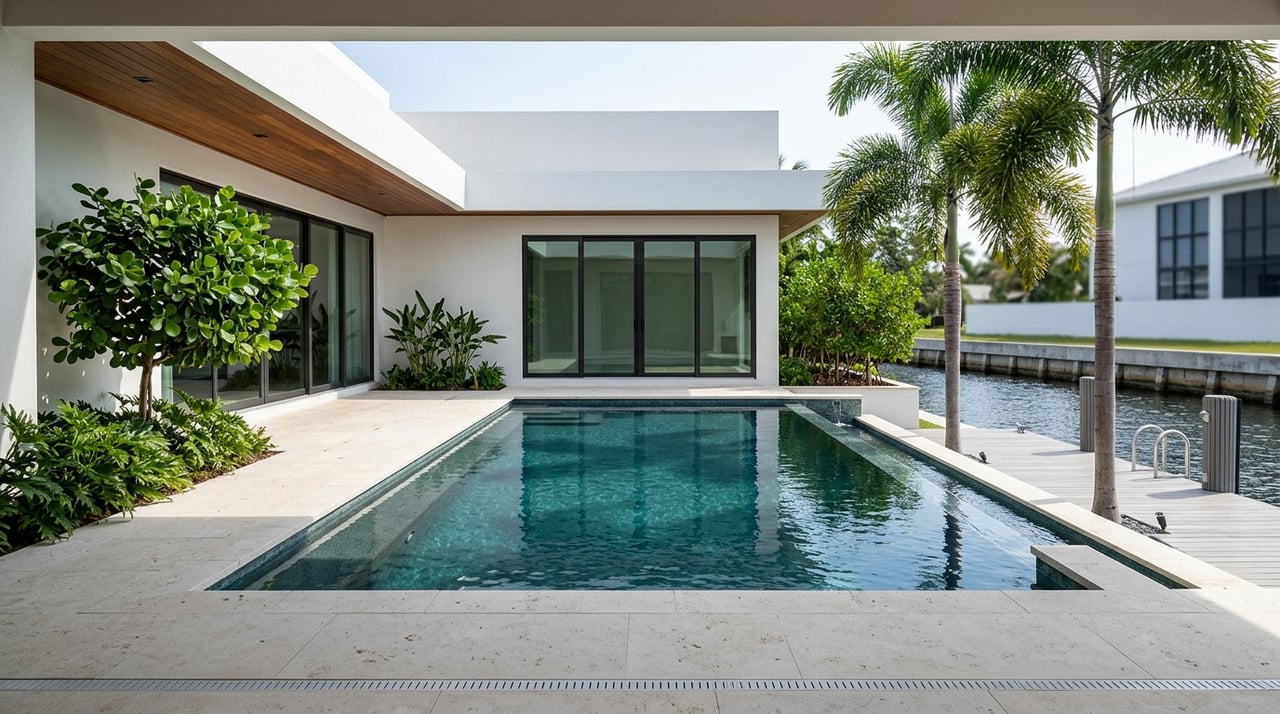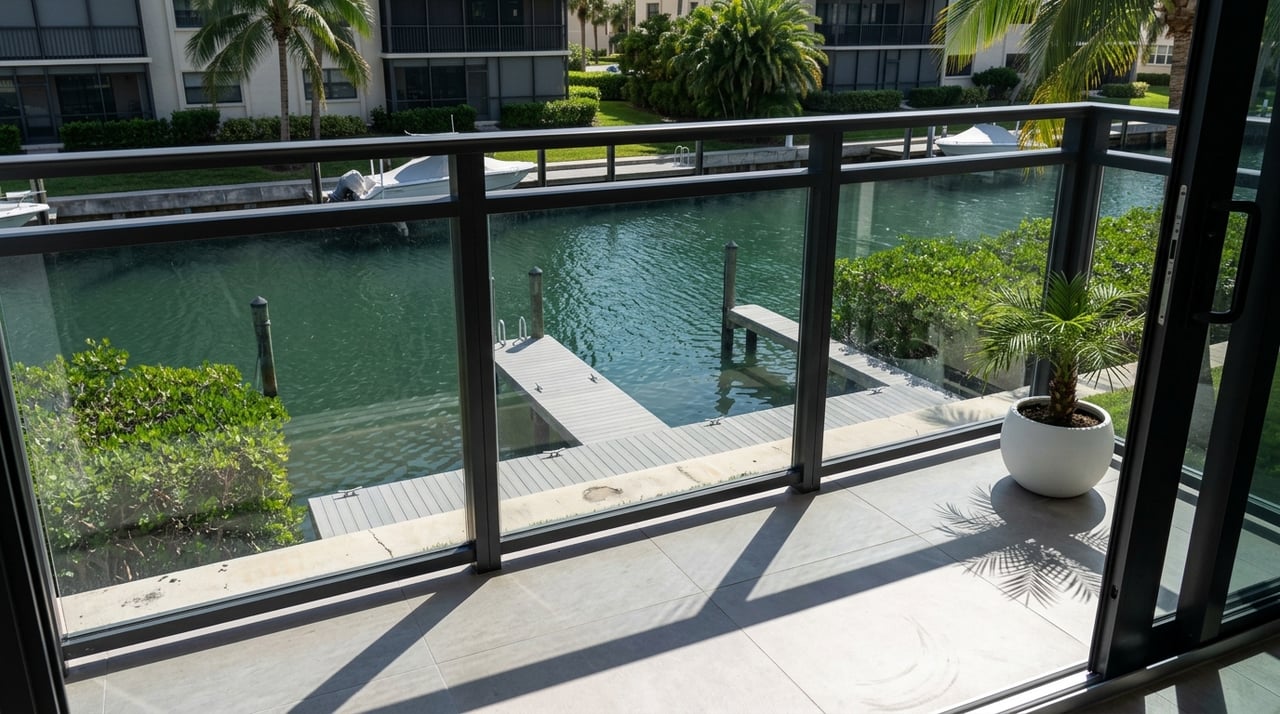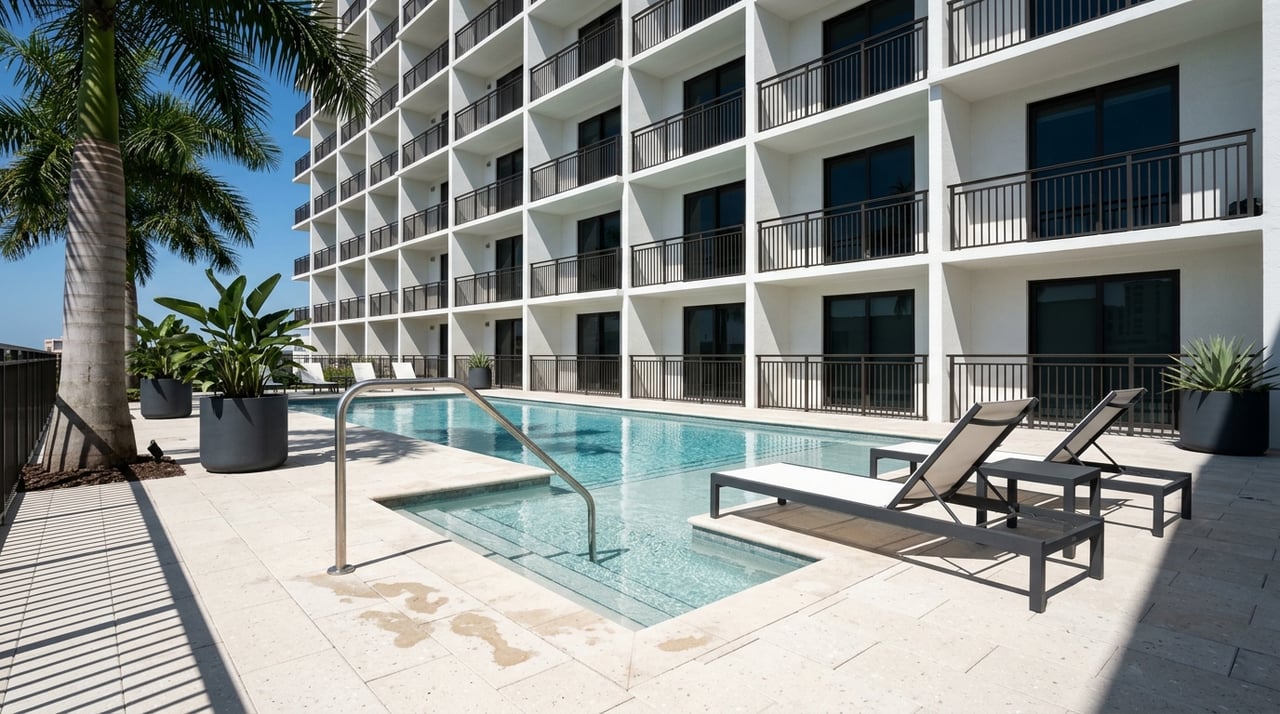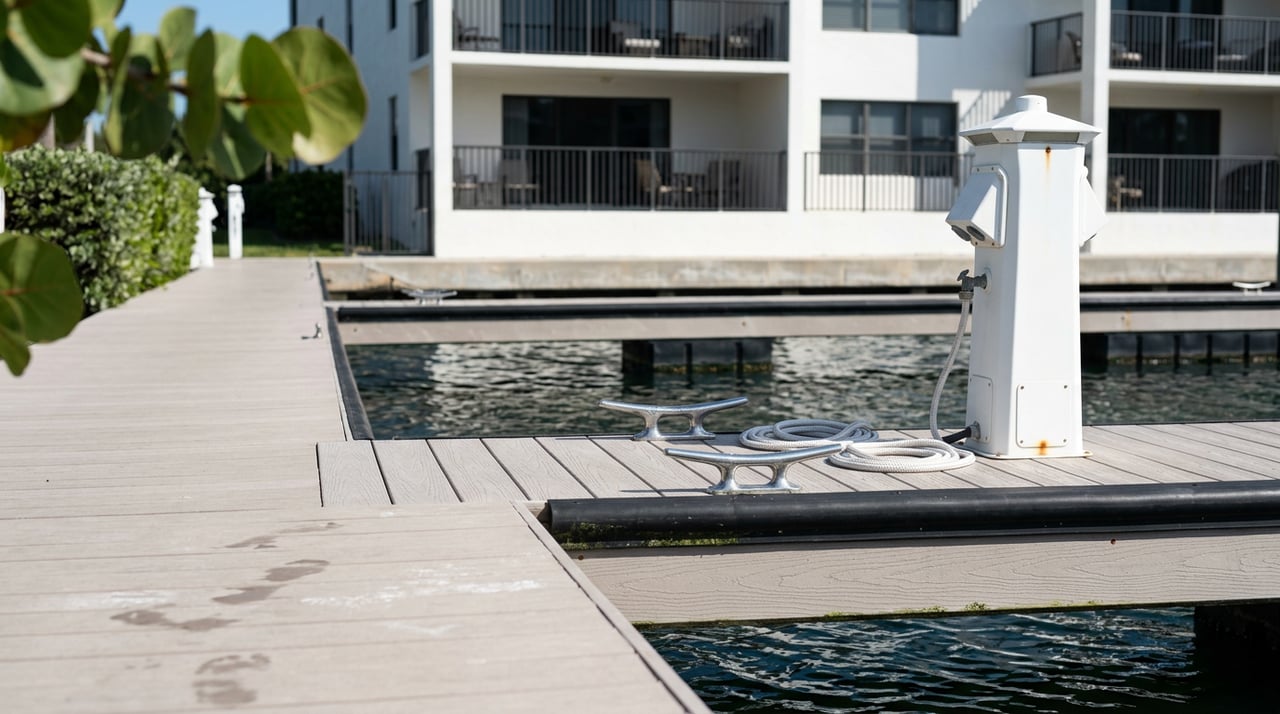
Picture this: you step out from your condo, cast off lines, and you are in the mangrove channels within minutes, then the Gulf soon after. If that is your goal on Marco Island, you are in the right place. Boat-friendly condo living here is rewarding, but details like slip ownership, depths, power, insurance, and association rules matter. In this guide, you will learn how slips work, what to ask, where to dock, and how to protect your purchase with a practical Marco-specific checklist. Let’s dive in.
Why Marco Island suits boaters
Marco Island blends resort living with real boating infrastructure. You will find a mix of commercial marinas, private yacht-club facilities, condominium marinas, and public ramps. Notable options include Marco Island Marina near downtown, the Riverside Marina at Marco Island Yacht Club, the Esplanade Marina on Smokehouse Bay, and Rose Marina for deep-water access and fuel. Public launches such as Caxambas Park and Goodland Boat Park round out access for trailer boats and guests.
Local marinas typically offer floating or fixed docks, shore power, water, pump-outs, security, and in some cases on-site dockmasters and guest dockage. For example, Marco Island Marina publishes seasonal transient daily rates, plus amenities like showers and a pool. Collier County operates public launch sites that complement condo dockage, so you can handle guest launches and trailer storage separately. Check current permit details for ramps at Collier County Parks.
Slip types and what they mean
How a slip is “held” will shape value, financing, and day-to-day use. On Marco Island you will encounter three common setups.
Deeded slip
A deeded slip is a real property interest that conveys with title. It can be recorded as a separate parcel or as part of the condo unit, and it is often easier for lenders and insurers to underwrite. Confirm the status through the title commitment and the recorded condominium declaration and plats.
Limited common element or assigned slip
Many communities designate slips as limited common elements that the association owns but reserves for certain units. The declaration controls whether a slip is permanently tied to your unit or can be reassigned. Florida’s Condominium Act defines common and limited common elements, so always review the declaration and plats against Chapter 718 of the Florida Statutes.
Leased or licensed slip
Some slips are held by lease from the association or a commercial marina. Terms can be seasonal or multi-year, and they may be non-transferable or subject to rate increases. Review the lease, renewal rights, transfer rules, and termination clauses before you commit.
Why ownership type matters
- Market value: Deeded slips can contribute measurable resale value. Assigned or leased rights are valuable lifestyle amenities but can be treated differently by buyers and lenders.
- Financing and title: Lenders typically treat deeded interests more like real property. Make sure the title commitment clearly shows the slip interest and any encumbrances.
- Taxes and accounting: Some deeded slips are separately taxed. In other cases, taxes and upkeep roll into association assessments. Confirm with the association’s financials and the property appraiser records.
Boat and slip fit: depth, power, and access
Depths across Marco Island vary by basin. Many inner harbors publish depths in the mid-single digits at mean low water, while deeper commercial marinas can exceed that. Always compare a slip’s depth at mean low water against your boat’s draft and confirm beam limits and power. You can spot-check tides and datum using the NOAA Naples Bay station at Tides and Currents.
Expect amenities like 30/50/100 amp shore power, water, pump-out service, Wi‑Fi, and security at many marinas, but offerings are site-specific. Confirm exact power availability, beam limits, and whether boat lifts are permitted or already installed. You can review amenities and transient policies at facilities such as Marco Island Marina and then verify details with each dockmaster.
Costs and fees to plan for
Slip values vary widely by location and format. Recent MLS examples at the Esplanade have shown deeded slips offered in the approximate 329,000 to 399,000 range, with one listing reporting a quarterly slip association fee of about 1,266.71. Treat these as scale examples rather than fixed guidance and ask for the latest comps and recent sales in any community.
Budget for:
- Association fees tied to docks, lifts, and seawalls.
- Possible separate slip taxes if the slip is deeded.
- Electricity for shore power and pump-outs.
- Maintenance or replacement of lifts and dock hardware.
Policies on rentals, guest dockage, liveaboards, and on-dock maintenance also affect carrying costs and flexibility. Ask for the written rules and any waitlists.
Association rules that matter
Florida’s Condominium Act governs how associations manage common elements and limited common elements, and your community’s declaration applies those rules on the ground. Read both to confirm who maintains docks, lifts, and seawalls and who pays. Start with Florida Statutes Chapter 718 for the framework, then verify the exact language in the declaration.
- Maintenance and reserves: The declaration may assign maintenance for certain limited common elements to either the association or the benefiting unit owners, and reserves for marine structures can be significant. Ask to see the reserve study and minutes that discuss seawalls or docks.
- Estoppel certificate: Florida requires associations to provide an estoppel certificate that confirms assessments, pending special assessments, and key financial items. Order it early in your contingency period. See the statutory rules in Fla. Stat. 718.116.
- Required resale materials: Request the recorded declaration and plats, bylaws and rules, the most recent budget and financials, a current insurance declaration page, reserve study, 12 to 24 months of minutes, and any litigation or special assessment history. These documents reveal future exposure.
Insurance, storms, and flood considerations
- Master vs HO‑6: Associations carry a master policy. You are typically responsible for interior finishes, personal property, and loss assessment exposure, which is handled through an HO‑6 unit owner policy. Florida requires unit owner policies to include a minimum level of loss assessment coverage. You can review a statutory summary of this requirement in industry resources such as Insurance-U’s Florida guide.
- Wind deductibles and assessments: High wind deductibles or large claims on the master policy can lead to special assessments. Review the association’s master policy declarations and ask about historical assessments after storms. For background on how claims and deductibles affect condos, see this Florida condo property claims overview.
- Flood maps and elevation: Marco Island properties sit in coastal flood zones that can shift over time. Ask for an Elevation Certificate and confirm current flood zone data with Collier County’s Floodplain Management resources as part of insurance underwriting.
Permitting and environmental rules
Marine work usually needs permits. Collier County’s PRMAR process covers docks, seawalls, and lifts, and some projects require state or federal authorization depending on submerged lands and scope. Always request the permit history and verify there are no open violations. Start with the county’s PRMAR application requirements.
On the water, expect manatee protection zones and seasonal speed restrictions. These rules shape how fast you can travel near habitats and canals. Review current guidance and maps from the Florida Fish and Wildlife Conservation Commission.
Where to dock on Marco Island
- Marco Island Marina: Floating docks, pump-outs, on-site amenities, and posted transient daily rates in season. Contact the dockmaster to confirm long-term options.
- Marco Island Yacht Club’s Riverside Marina: Newer, high-standard docks with shore power and pump-outs that suit larger vessels and members.
- Esplanade Marina at Smokehouse Bay: Mixed-use setting with shops and restaurants. Some slips are deeded to condo units, so verify ownership format in the declaration and title.
- Rose Marina: Fuel and services with practical Gulf access if you prefer a commercial operator over association dockage.
- Public launch options: Caxambas Park and Goodland Boat Park are useful for trailers, guest launches, or backup access. Check hours, permits, and fees at Collier County Parks.
Your Marco Island buyer checklist
Use this list during your inspection and contract periods.
Documents and title
- Association estoppel certificate during contingencies. Why: confirms assessments, transfer fees, and pending claims. See Fla. Stat. 718.116.
- Full recorded condominium declaration, plats, and amendments that describe slips or limited common elements. Why: confirms whether the slip is deeded, LCE, assigned, or leased under Chapter 718.
- Title commitment showing how the slip is described. Why: deeded slips often appear in title and may be separately taxed.
- Bylaws, rules, minutes for the last 12–24 months, financials, reserve study, and the master policy declarations page. Why: reveals reserve strength for docks and seawalls and flags assessment risk.
- County and state permit history for docks, lifts, seawalls, and any dredging. Why: unpermitted work or expiring leases on submerged lands can create risk. Start with Collier County PRMAR.
Site-specific inspections
- Seawall and dock structural report by a marine engineer or qualified contractor. Why: these are high-cost items and common assessment drivers.
- Dock systems inspection for pilings, decking, shore power, cleats, fenders, and lift condition. Why: safety and budgeting.
- Survey and Elevation Certificate. Why: flood underwriting and premium impact. Review floodplain guidance at Collier County.
- Depth verification at mean low water, plus channel survey or dredging schedule. Why: fit your draft and beam. Use NOAA tide data at Tides and Currents and confirm with the dockmaster.
Questions to ask
- Is the slip deeded, a limited common element, assigned, or leased, and what document proves it?
- If deeded, is it a separate tax parcel or included in the unit, and how are taxes handled?
- If assigned or leased, what are transfer rules, renewal terms, fees, and any waitlist policies?
- What are the maximum LOA, beam, and draft, and are lifts permitted with which approvals?
- Who maintains docks, lifts, and seawalls, and what does the reserve study show? When was the last repair?
- What is the master policy wind-deductible, and have owners been assessed after recent storms? What HO‑6 coverage and loss assessment limits does the association recommend?
- Any restrictions on rentals, guest docking, liveaboards, or on-site maintenance?
- Are there open permits or code issues with dock, lift, or seawall work? Provide copies of permits.
On-the-water checks
- Run the approach route with your surveyor or captain at a typical tide to confirm actual depths and bridge clearances such as Jolley Bridge.
- Look for shoaling near basin mouths, prop scour, and any areas recently dredged.
- Ask the dockmaster for preferred ingress and egress routes and seasonal advisories.
Work with a condo-and-boating advisor
Buying the right boat-friendly condo on Marco Island is about more than a water view. You want the slip format that fits your boat, the right power and depth, sound seawalls, strong reserves, and insurability that holds up in storm season. You also want a team that can coordinate marine inspections, navigate association documents, and negotiate terms that protect your lifestyle investment.
With a boutique, high-touch approach backed by market-leading distribution, Rebecca Lentz and the team at Naples Bonita Luxury Homes bring disciplined analysis and concierge service to every step. If you are considering a condo with a slip or access to a nearby marina, reach out for a curated shortlist and a due diligence game plan tailored to your boat and budget.
FAQs
What should I know about deeded vs assigned slips on Marco Island?
- A deeded slip is a real property interest that conveys with title, while an assigned or limited common element slip is owned by the association and reserved for a unit under the declaration. The declaration and plats, along with the title commitment, confirm which you are getting.
How do I confirm a slip is deep enough for my boat?
- Verify depth at mean low water with the dockmaster and compare it to your boat’s draft, then check local tide data at NOAA’s station to understand normal swings. A route run at typical tide helps validate clearances and shoaling.
What insurance do I need if my condo includes a boat slip?
- The association carries a master policy, and you typically carry an HO‑6 with loss assessment coverage, which Florida requires at a statutory minimum. Review the master policy deductibles and consider higher loss assessment limits.
Are there manatee or speed rules near Marco Island that affect boating?
- Yes. Florida sets manatee protection zones and seasonal speed restrictions that apply in local waters and canals. Review the latest rules and maps before you operate.
Can I transfer a leased slip when I buy a condo?
- It depends on the lease. Some marina or association leases are non-transferable or have specific renewal and transfer clauses. Read the lease and confirm rules with the association or marina in writing.
Where can guests launch a trailer boat if my condo slip is occupied?
- Public ramps such as Caxambas Park and Goodland Boat Park provide convenient guest access and trailer options. Check current permits, fees, and hours with Collier County Parks.