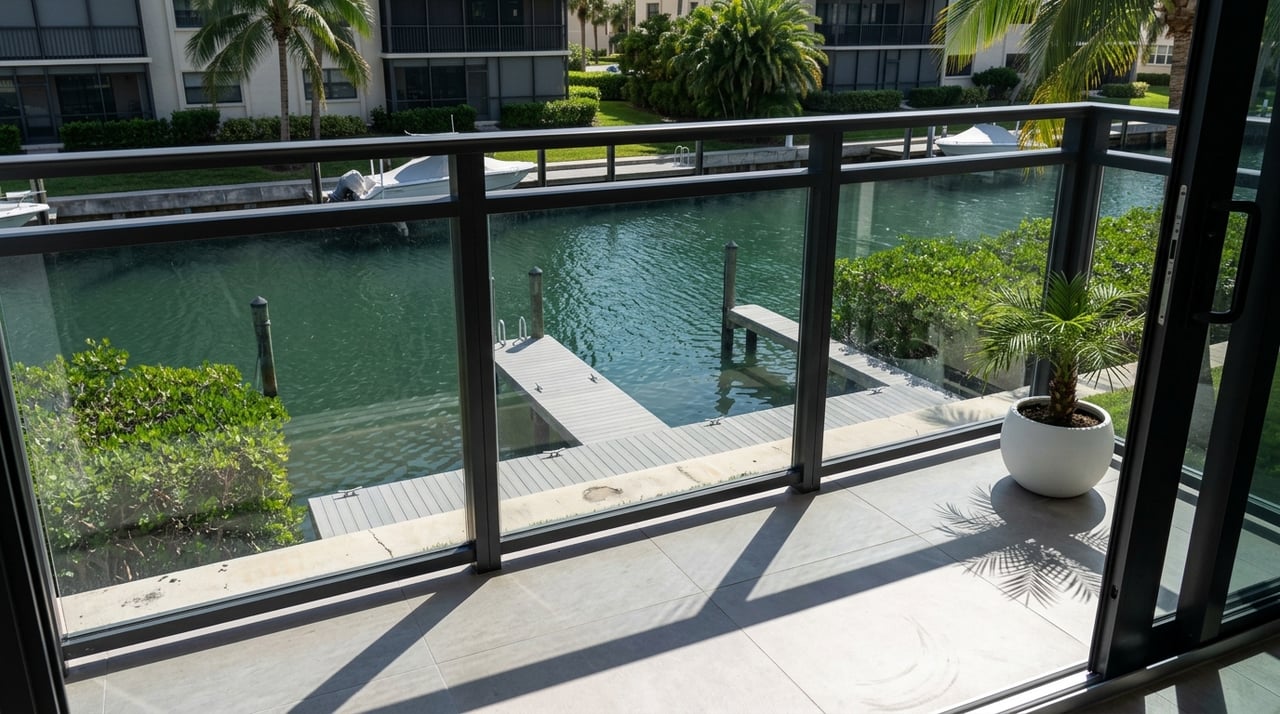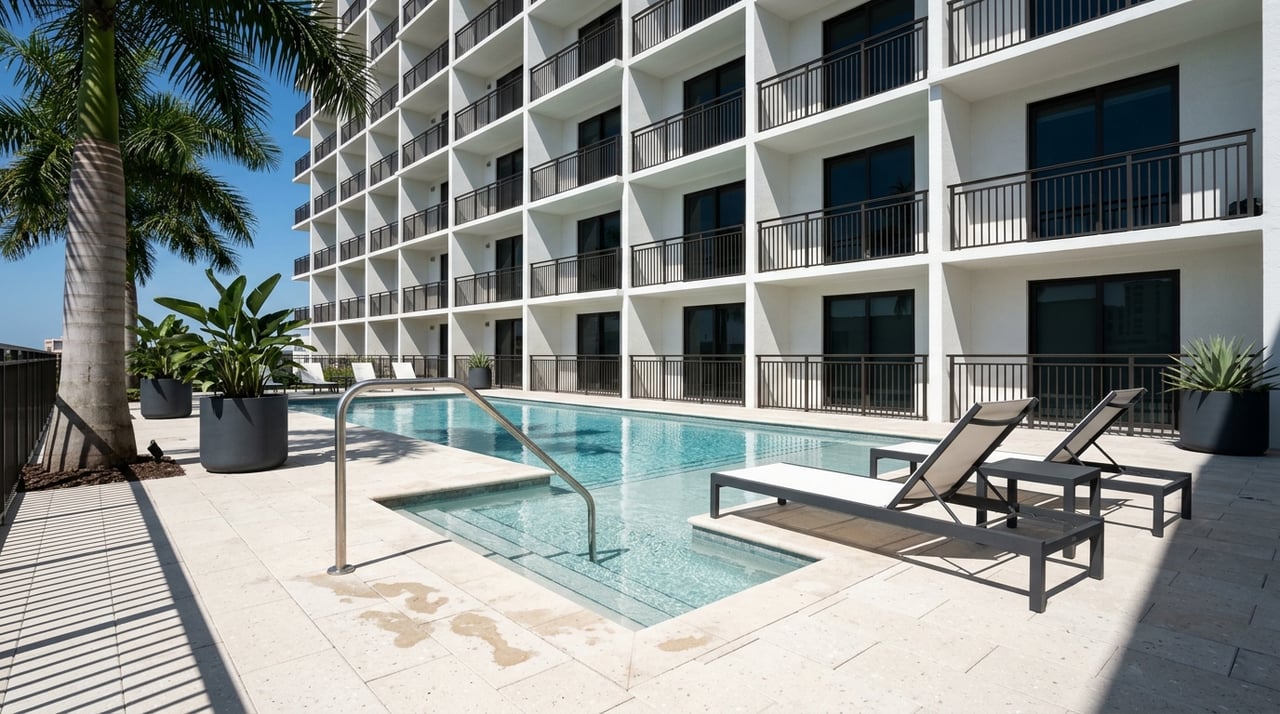
Buying a home in Naples from another state, or even another country, can feel like a leap of faith. You want the right view, the right building, and the right numbers, but you also want to avoid surprises once you are under contract. The good news is that Florida’s laws and Collier County’s closing systems make remote buying very workable when you follow a careful process. Here is how you can move forward with more clarity and confidence.
Why remote buying works in Naples
Florida has a legal framework that supports real estate closings from a distance. State law allows online notarization through live audio-video communication, and the signer can be outside Florida when the notarization happens. For some buyers outside the United States, a foreign-government passport can be used for identity verification during the online notarization process.
Florida also allows remote witnessing for electronic records when the required procedures are followed. That matters because some closing documents need witnesses. On top of that, Collier County offers e-recording for Official Records, which helps keep the final recording step from depending on an in-person courthouse visit.
In simple terms, the mechanics are there. You can review, sign, witness, and record key closing documents remotely when the parties and providers follow Florida requirements.
Build your remote-buying plan early
A confident remote purchase usually starts before you ever write an offer. In Naples, that matters even more because waterfront homes, condos, and amenity-rich communities often come with added layers of insurance, association review, and building documentation. A strong plan helps you stay ahead of those details instead of reacting to them late in escrow.
A practical remote-buying process usually includes four parts:
- Live video touring
- Independent property inspection
- Careful document review
- Final video walk-through before closing
Each step gives you a different kind of protection. Video tours help you understand layout, setting, and condition in real time, while inspections and document review help confirm what you cannot fully judge from photos alone.
Focus on flood risk from day one
For Naples buyers, flood due diligence should happen early. Florida requires a flood disclosure to be completed and provided to the buyer at or before the sales contract is signed. The statutory form also reminds buyers that standard homeowners insurance does not cover flood damage and encourages a separate flood insurance conversation.
That disclosure should never be treated like just another form in your inbox. In a coastal market, flood exposure can affect your insurance options, your monthly costs, and your comfort level with a property. If you are buying remotely, it is even more important to review this before your timeline gets tight.
You should also verify the flood zone early in the process. FEMA’s Flood Map Service Center is the official public source for flood maps, and those maps can change over time. NFIP guidance notes that high-risk A or V zones tied to federally backed mortgages require flood insurance, but lower-risk zones are not the same as no-risk zones.
Florida’s insurance regulator also notes that flood coverage may be available as a stand-alone policy or as an endorsement, and condo unit owners can buy flood insurance as well. That makes early insurance quotes a smart part of your planning, especially if you are comparing a single-family waterfront home with a condo residence.
Review HOA documents before you commit
If the home is in a homeowners’ association, Florida requires a disclosure summary before the contract is signed. If that summary was not delivered in advance, you have a 3-day cancellation right after you receive it or before closing, whichever happens first. This is an important protection for remote buyers.
The HOA disclosure helps you understand that you will be subject to the community’s covenants, assessments, and possible special assessments. When you are not physically spending time in the neighborhood each day, these documents become one of your best tools for understanding how the community operates.
As you review the package, pay close attention to:
- Regular assessments and dues
- Rules that may affect your use of the property
- Any mention of special assessments
- Community obligations and restrictions
This is less about paperwork for paperwork’s sake and more about making sure the property fits your expectations and budget.
Treat condo documents as core due diligence
If you are buying a Naples condo, the review process becomes more detailed. Florida condo resales require the buyer to receive key association documents, including the declaration, articles of incorporation, bylaws and rules, plus the most recent annual financial statement and budget. If requested in writing, the FAQ document must also be provided.
The resale contract language also includes a 3-day cancellation right after receipt of the required documents if they were not delivered before the contract was signed. For a remote condo buyer, that window matters because it gives you time to review the materials once they are in hand.
In some cases, you also need to review the milestone-inspection summary and the association’s most recent Structural Integrity Reserve Study, often called the SIRS. These documents can reveal major information about the building’s condition and future financial obligations.
Understand Collier County milestone inspections
Milestone inspections are especially important in Collier County because of the coastal setting and the number of condo and co-op buildings in the Naples area. The county states that condominium and cooperative buildings with three or more habitable stories are subject to milestone inspections. Buildings within 3 miles of saltwater follow a 25-year timeline, while those farther inland generally follow a 30-year timeline, and then every 10 years after that.
The association is responsible for arranging and paying for the inspection. For a buyer, that does not mean you can ignore it. It means you should verify the building’s current milestone status before you close.
DBPR explains that a milestone inspection is a structural inspection used to determine whether substantial structural deterioration exists. The process can involve two phases:
- Phase 1: A visual inspection
- Phase 2: A more invasive inspection if needed
For remote buyers, one helpful detail is that DBPR says the association must distribute the inspector-prepared summary report to unit owners within 45 days and post it on the association website if one is required. That can make it easier to review the results electronically during escrow.
Collier County also offers a public portal where milestone status can be searched by address, building name, or reference number. That creates a practical way to confirm whether a building has a completed inspection, an open issue, or a Phase 2 requirement.
Pay close attention to the SIRS
The Structural Integrity Reserve Study is just as important as the inspection report. DBPR describes the SIRS as a budget-planning tool for building elements the association must maintain. It covers eight major elements, including the roof, structural systems, fireproofing and fire protection, plumbing, electrical systems, waterproofing and exterior painting, windows and exterior doors, and other qualifying items that affect structural integrity.
For you as a buyer, the SIRS helps answer a simple but important question: how prepared is the association for future building costs? If reserve funding is not sufficient, DBPR notes that the association may need special assessments, a loan, or a line of credit to meet its funding plan.
That is why condo due diligence is about more than monthly dues. You also want to understand whether the current budget and reserve planning support the building’s long-term needs.
Know the documents that matter most
When you buy remotely, it helps to know which documents deserve the closest attention. Some are legal requirements, while others help you measure risk, cost, and timing. Together, they form the backbone of a confident remote purchase.
The most important documents often include:
- Seller’s flood disclosure
- Title commitment
- HOA or condo disclosure package
- Insurance quotes
- Milestone inspection materials, if applicable
- Structural Integrity Reserve Study, if applicable
These documents do not replace a property tour or inspection. They complement them by giving you a clearer picture of ownership costs, community obligations, and building condition.
Why coordination matters in a remote deal
Remote transactions involve more moving parts than many buyers expect. You may be coordinating with the seller’s side, an inspector, an insurance professional, a lender, a title company, a notary, an association manager, and the county recorder, all on a tight timeline. Even one missing document can create stress near closing.
That is why a concierge-style process can make such a difference. Strong coordination helps keep tours, inspections, document requests, insurance review, and signing steps moving in the right order. For second-home and relocation buyers, that can mean fewer last-minute surprises and a smoother closing experience.
In Naples, that level of coordination is especially useful when you are comparing waterfront homes, condo towers, and homes in gated communities. Each can bring its own set of disclosures and reviews, and a clear process helps you make decisions with better information.
A simple remote-buying checklist
If you want a practical way to stay organized, use this checklist early in your search:
- Confirm how live video tours will be handled
- Review the seller’s flood disclosure before or at contract
- Check flood zone information and get insurance quotes early
- Order an independent inspection
- Request HOA or condo documents as soon as possible
- Review budget, dues, and any special assessment history
- For condos, review milestone and SIRS materials if applicable
- Schedule a final video walk-through before closing
- Confirm remote signing, witnessing, and closing logistics in advance
A remote purchase does not need to feel rushed or uncertain. With the right preparation, it can feel methodical, informed, and very manageable.
If you are planning a second-home or relocation purchase in Naples, working with a responsive local advisor can help you sort through the details that matter most. Naples Bonita Luxury Homes offers a boutique, high-touch approach for buyers who want clear guidance, virtual support, and a smoother path from search to closing.
FAQs
Can you buy a Naples home without being in Florida?
- Yes. Florida allows online notarization and remote witnessing for certain documents when the legal requirements are met, which makes remote signing and closing possible.
What flood issue should Naples remote buyers check first?
- Review the seller’s flood disclosure early, verify the property’s flood zone, and get insurance guidance or quotes before your timeline gets tight.
What HOA disclosure matters for Naples home buyers?
- For a property in an HOA, Florida requires a disclosure summary before contract signing, and if it was not provided beforehand, you may have a 3-day cancellation right after receipt or before closing.
What condo documents should Naples remote buyers review?
- Review the declaration, articles of incorporation, bylaws and rules, the most recent annual financial statement and budget, and if applicable, milestone-inspection and SIRS materials.
What is a milestone inspection for a Naples condo building?
- It is a structural inspection used to determine whether substantial structural deterioration exists, and it may include a visual Phase 1 and a more invasive Phase 2 if needed.
Why does the SIRS matter when buying a Naples condo remotely?
- The SIRS shows how the association plans for major building components and can signal whether future special assessments, loans, or other funding measures may be needed.