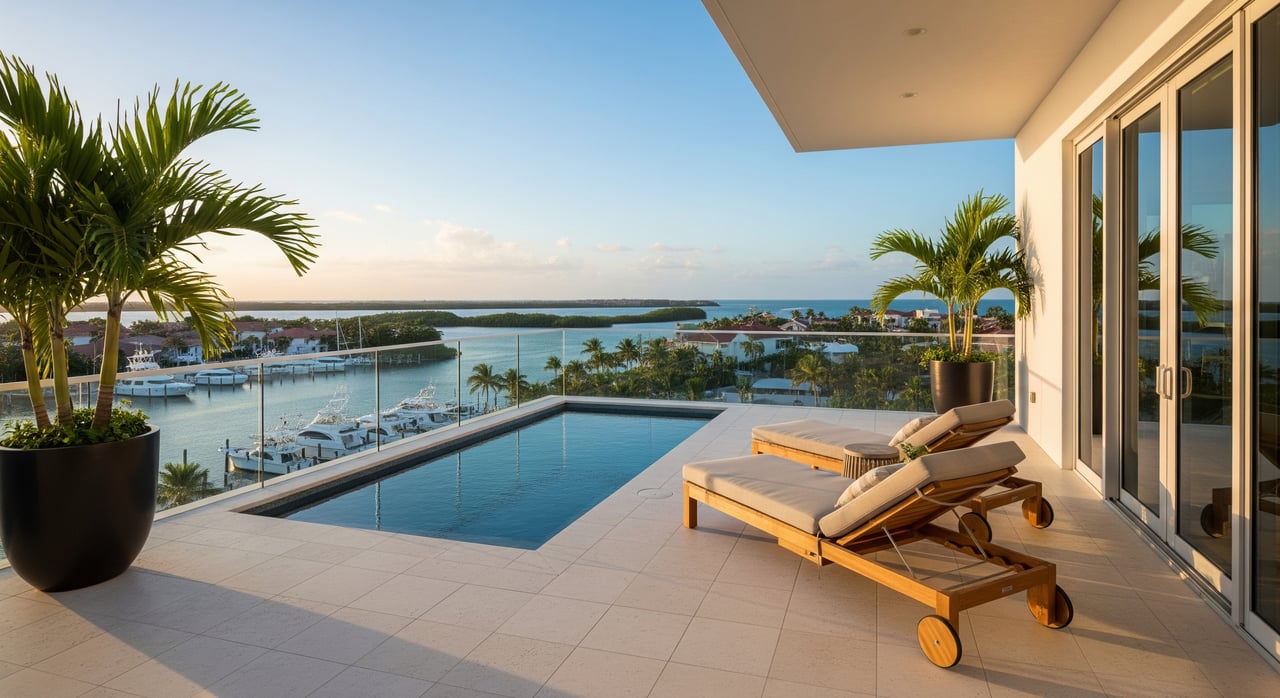
Sunset over the Gulf or sunrise over the mangroves. If you are leaning toward a Marco Island condo, that choice often comes down to beachfront versus bayfront living. You want the right view, the right access to the water, and the right ownership costs for your goals. This guide breaks down lifestyle tradeoffs, boating convenience, fees, insurance, rental rules, and a simple decision framework so you can buy with confidence. Let’s dive in.
Views and daily experience
Beachfront: Views and vibe
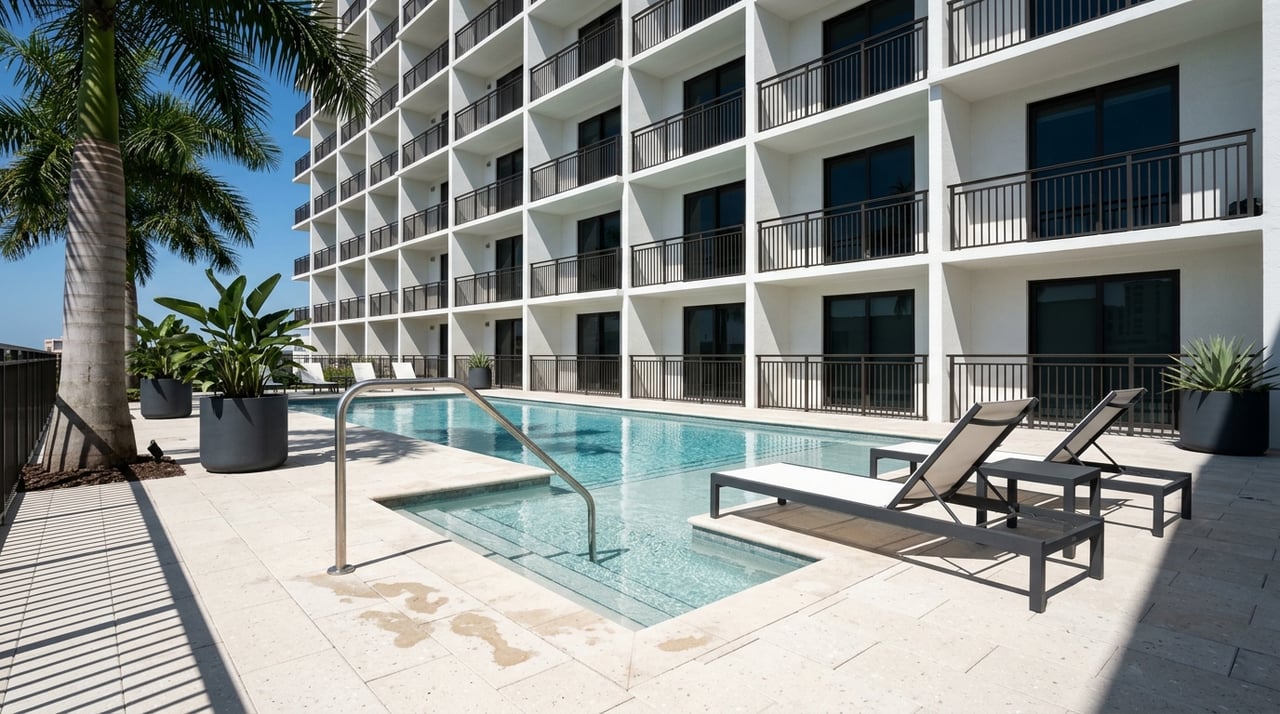
Beachfront condos give you unobstructed Gulf views, easy beach walks, and iconic sunsets to the west. The feel is wide open and very vacation oriented. Expect a bit more wind, salt spray, and seasonal beach activity nearby.
Bayfront: Views and vibe
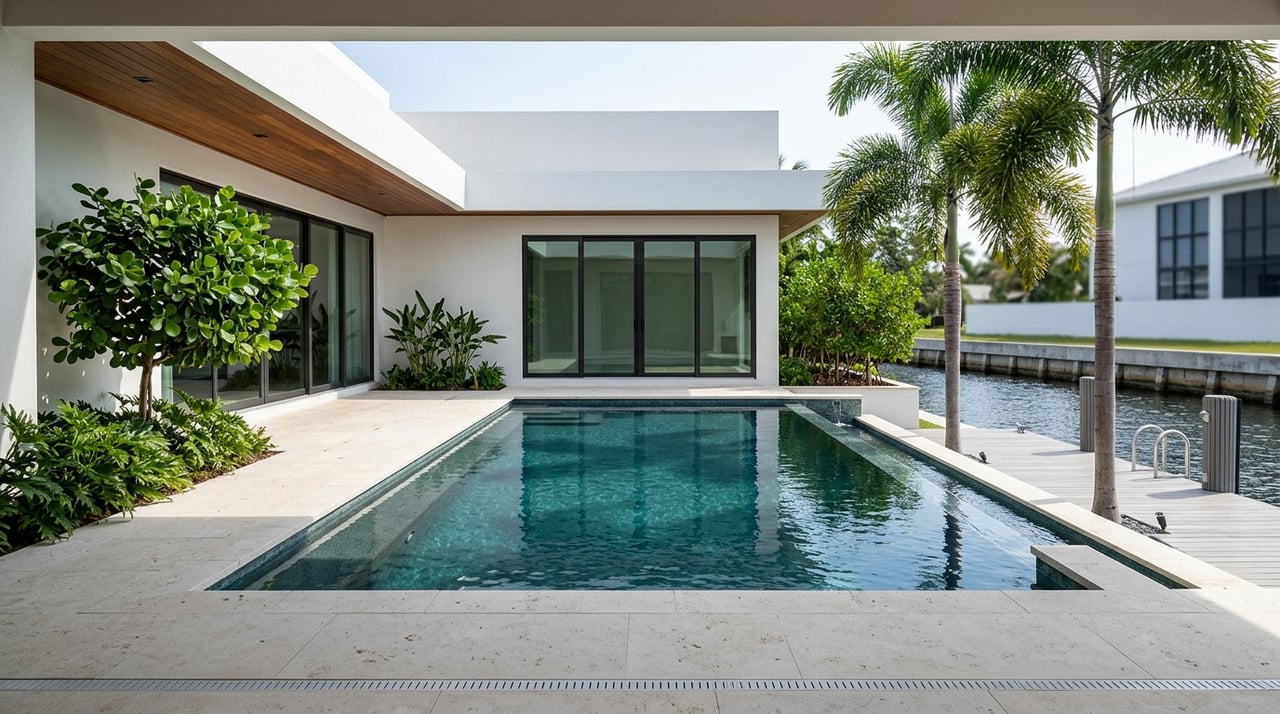
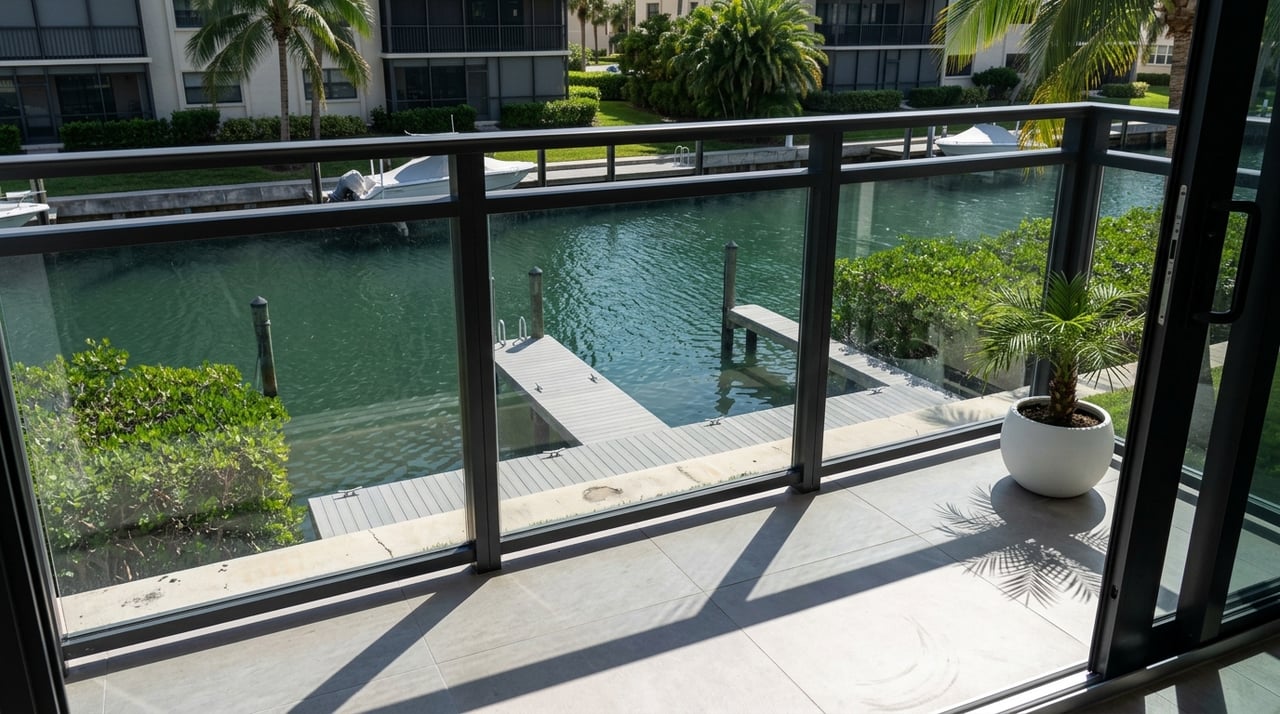
Bayfront condos face calm waters, mangroves, and marina life with sunrise potential depending on orientation. You may see manatees, birds, and fishing boats moving through sheltered channels. It is a quieter, more intimate water view that changes with tides and boat traffic.
Beach access and water play
Beachfront
You usually have direct or very close access to the sandy Gulf shoreline. That means simple beach walks, shelling, and sunset watching. Consider seasonal crowds and ongoing beach management like nourishment and erosion control when comparing buildings.
Bayfront
You will not have direct Gulf beach outside your door. For swimming and sunbathing on the sand, you will drive or bike to the west side. The tradeoff is easier access for kayaking and paddleboarding from calmer bays, and in some communities, direct launch points.
Boating and marina access
Bayfront advantages
If boating is a priority, bayfront often wins. Many marina communities offer private docks, assigned or rentable slips, and proximity to fuel and maintenance. Slip size limits, transfer rules, and fees are specific to each HOA or marina, so verify the details in writing.
Bayfront locations usually provide faster routes to the back bays, the Ten Thousand Islands, and inshore fishing. Getting to open Gulf waters can be a short ride through local passes, depending on exactly where you launch and the tides.
Beachfront realities
Beachfront towers rarely have deepwater slips on site. You will likely use a nearby marina or public ramp for larger boats. This is fine for occasional boaters, but less convenient if you want a slip steps from home.
HOA fees and assessments
Condo fees vary by building age, amenities, insurance obligations, and reserve funding. Beachfront high-rises with concierge-level services, pools, fitness centers, and security tend to have higher fees. Bayfront marina communities can be comparable or higher if they maintain docks, seawalls, and boat infrastructure.
Do your homework by reviewing the current budget, reserve study, insurance renewals, meeting minutes, and any special-assessment history. For a primer on association finances and governance, the Community Associations Institute offers useful best practices.
Insurance, flood risk, and safety
Marco Island is a barrier island, which means exposure to wind and storm surge. Flood-zone designation and elevation can affect your insurance requirements and premiums. Confirm the property’s FEMA flood zone and ask for an elevation certificate if available. You can look up flood zones using the FEMA Flood Map Service Center.
Florida has introduced new safety and inspection measures for certain condos after the 2021 Surfside collapse. Rules vary by building age, height, and coastal proximity, so it is wise to confirm any inspection or recertification obligations and review recent engineering reports. For statewide updates and guidance, check the Florida Department of Business & Professional Regulation.
Insurance availability and pricing change frequently in Florida. Before you commit, request the HOA’s master policy details and recent premiums, and obtain owner quotes for property, wind, and flood coverage. For broader context, see the Florida Office of Insurance Regulation.
Rental policies and income
Most buyers care about rental flexibility, whether for occasional income or full seasonal strategy. Many beachfront buildings are friendly to short-term rentals and can command higher nightly rates in peak season. Bayfront condos with marina access can also attract premium renters who want boating and fishing.
Rules vary by building. Minimum stays, number of leases per year, and owner-use restrictions are specific to each community. Marco Island’s market is seasonal, with winter and early spring as peak months. For local tourism patterns and timing, explore Visit Marco Island’s travel information. Always verify building rules and any County or City registration and tax requirements before you list.
Environmental considerations
Red tide and other algal blooms can affect both beaches and bays from time to time. Conditions are typically temporary, but they can influence short-term rental demand and day-to-day enjoyment. For statewide advisories and marine updates, check Florida Fish and Wildlife Conservation Commission resources and tide information from NOAA Tides and Currents.
Pricing and total cost
Beachfront often carries a premium for direct Gulf views and large terraces. Bayfront pricing can rival or exceed beachfront when slips, docks, or deeded deepwater access are included. Building age, floor level, and renovations can move values more than orientation alone.
When you compare units, quantify the full cost picture:
- Purchase price based on recent building comps from your agent’s MLS
- Ongoing HOA fees
- Dock or slip costs if applicable
- Property taxes and any local assessments. You can confirm parcel details with the Collier County Property Appraiser
- Insurance premiums for property, wind, and flood
- Reserve study forecasts and potential special assessments
- Rental revenue potential and tax obligations
For market context and trends, see statewide resources from Florida Realtors and rely on local MLS data for precise comps.
Decision framework: find your fit
Start with how you plan to use the condo and weight the factors that matter most.
Key factors to weigh
- Primary use: full-time, seasonal, or rental-centric
- Boating priority: must-have slip, nice-to-have, or not needed
- View preference: sunset Gulf horizon or calm bay and marina activity
- Cost tolerance: insurance, fees, and potential assessments
- Rental flexibility: short-term allowed or restricted
- Noise and privacy: beach activity or marina/boat traffic
- Building condition: age, reserves, and recent capital projects
Quick score example Create a simple score to compare a few buildings or units.
| Criteria | Weight | Your Score 1–5 | Weighted Score |
|---|---|---|---|
| Primary use fit | 5 | ||
| Boating access | 4 | ||
| Rental potential | 3 | ||
| Insurance tolerance | 2 | ||
| Privacy and noise | 2 | ||
| Maintenance and age | 2 |
Multiply each score by the weight, then total them. Use this side by side with actual numbers for fees, insurance quotes, and slip costs.
Due diligence checklist
Before you write an offer, request and review the following:
- HOA documents: current budget, reserve study, audited financials, recent meeting minutes, bylaws and rules, and any known litigation
- Building condition: recent engineering reports, concrete restoration history, roof replacement date, elevator service records
- Insurance and risk: HOA master policy with deductibles, recent premium amounts, whether HOA carries flood, plus sample owner quotes
- Flood risk and elevation: FEMA flood zone and any elevation certificate from the FEMA Flood Map Service Center
- Slips and marina details: slip size, ownership versus rental, transfer rules, maintenance responsibility, dredging history and permits
- Rental rules and local requirements: minimum stays, number of leases, owner-use blocks, and any registration and tax obligations
- Living details: parking assignments, guest policies, pets, smoking rules, security, and hurricane emergency plans
Who each option suits
- Choose beachfront if you want daily beach walks, sunset views, and strong in-season rental demand. You are comfortable with higher amenity fees and will handle your boating through a separate marina.
- Choose bayfront if you want boating convenience, calm-water views, and an easy launch for paddleboards and kayaks. You will drive to the Gulf beaches and prioritize a slip or dock access.
Next steps
Buying on Marco Island is about matching lifestyle to the right building and making smart, document-based decisions. If you are comparing a shortlist, we can help you assemble HOA documents, line up insurance quotes, and evaluate slips, reserves, and rental rules so there are no surprises after closing. When you are ready, connect with Naples Bonita Luxury Homes for curated tours, remote showings, and a clear plan from offer to close.
FAQs
Are beachfront condos always pricier than bayfront on Marco Island?
- Not always. Beachfront Gulf views often carry a premium, but a bayfront unit with deeded deepwater access and marina amenities can equal or exceed beachfront pricing depending on slips and building features.
Which location is best for boat owners on Marco Island?
- Bayfront or marina communities are usually best because they offer assigned slips, easier launching, and nearby services. Beachfront towers seldom provide deepwater slips on site.
How do HOA fees compare between bayfront and beachfront buildings?
- Fees vary widely by amenities, age, insurance, and reserves. Beachfront high-amenity towers and marina communities can both have higher fees, so compare each building’s budget and reserve study.
How should I evaluate flood risk for a specific condo?
- Check the parcel’s FEMA flood zone and ask for an elevation certificate if available. Verify coverage and deductibles on the HOA’s master policy and get owner quotes before you buy.
Do Marco Island condos allow short-term rentals?
- Many do, especially buildings oriented to vacationers, but rules differ by community. Confirm minimum stays, lease limits, and any County or City registration and tax requirements.
How does seasonality affect rentals and use?
- Marco Island’s peak season typically runs January through April, which lifts demand and nightly rates. Summer and fall are usually quieter with lower occupancy and pricing.